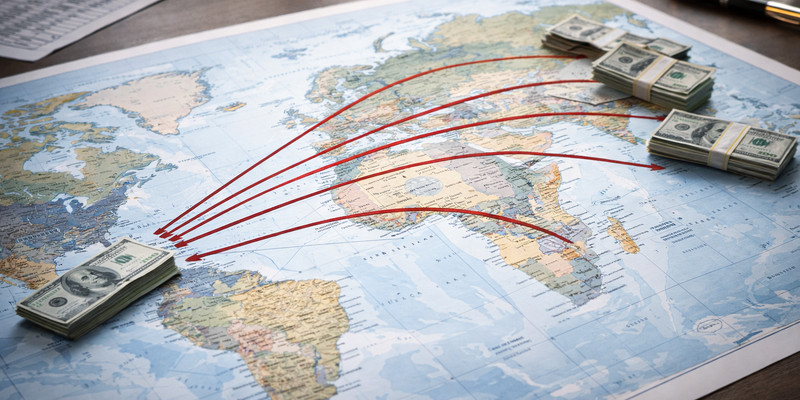
President Trump’s new tariffs were imposed under Section 122 of the Trade Act of 1974, which allows temporary import restrictions when the United States faces “fundamental international payments problems,” including a “large and serious” balance-of-payments deficit. The term is not commonly used outside economic policy circles, but it refers broadly to a country’s financial relationship with the rest of the world.
The balance of payments is a comprehensive record of all economic transactions between a nation and foreign countries. It includes trade in goods and services, income from overseas investments, cross-border financial flows such as purchases of stocks and bonds, and changes in official reserves.
In strict accounting terms, the balance of payments always balances: money leaving the country must be offset by money coming in. But when policymakers refer to a “deficit,” they are usually describing a persistent shortfall in trade and income flows—known as the current account—that must be financed by borrowing or by selling domestic assets to foreign investors.