
MAMDANI’S THREAT TO RAISE PROPERTY TAXES – IT IS SO BAD?
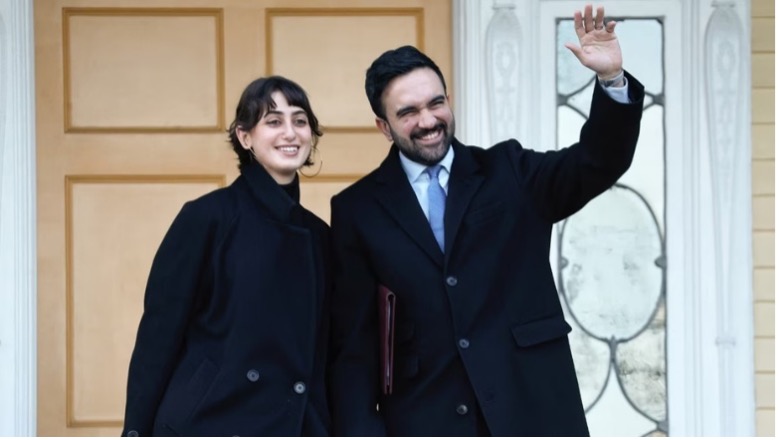
John Lamparski/Bloomberg via Getty Images
New York City Mayor Zohran Mamdani has threatened to raise property taxes by 9.5% and withdraw from the Rainy Day Fund if Governor Hochul does not approve income tax hikes on corporations and the wealthy. Governor Hochul will likely not approve income tax hikes because she is facing reelection this year. Would an increase in the property tax, then, be so bad?
According to the New York State Comptroller, New York City’s budget gap in FY 2027 is projected to reach as high as $10 billion, or about $1,200 for every New Yorker. It may grow to $13.6 billion by 2029. Economic growth in New York is slowing; costs are rising, and the funding relationships among the federal government, states, and localities are undergoing restructuring. The City’s budget is currently balanced.
Mayor Mamdani is frustrated because he campaigned on providing his constituents with a loaded program of free buses and universal day care in a bid to make New York City affordable. His total proposed budget is $127 billion, and a budget gap will undermine his campaign promises. A 9.5% property tax increase would place a heavier burden on everyday New Yorkers. New Yorkers who do not own property and pay rent still pay property tax as part of their rent. Everyday New Yorkers who buy goods and use services at retail would cover the increased property tax in the prices they pay.
A 9.5% property tax increase would affect more than 3 million homes, condos and co-ops, as well as more than 100,000 commercial buildings. The Citizens Budget Commission estimates that a typical homeowner would pay about $700 more per year, plugging about $2.1 billion of the gap. If we add in commercial buildings, the increase would add another $1.15 billion, bringing the total to $3.25 billion. New York City’s Rainy Day Fund has just under $2 billion and would not cover the shortfall.
Still, increasing the property tax instead of raising the income tax on wealthy people might not be such a bad idea. Although Mamdani thinks taxing the rich is a panacea for making the City affordable, the White House Council of Economic Advisers disagrees. The Council cites four studies on the types of taxes that harm economic growth. The studies review corporate taxes, personal income taxes, consumption taxes, and property taxes. Three of the studies cite the corporate tax as the most harmful. One puts the corporate tax in second place. The personal income tax, conversely, ranks second in three and first in one. All four studies cite the property tax as the least harmful to economic growth and consumption taxes as the second least harmful.
We respectfully disagree with the Council of Economic Advisers about the rankings of property taxes and consumption taxes, such as the FAIRtax. Property taxes discourage both wealth creation and neighborhood improvement. We want property owners to fix and upgrade their houses. Property taxes discourage that activity. The FAIRtax taxes property indirectly when it is consumed, not when hard work and savings create it – and improve neighborhoods.
New York City has a sales tax add-on of 4.875%, including a Metropolitan Commuter Transportation District tax, to the New York State sales tax of 4%. There are exemptions for clothing and footwear, essential goods, professional services, and certain items used in clothing manufacture and repair. A state-city level FAIRtax could substitute a Prebate for these exemptions.
If the nation’s biggest city goes for either a property tax or a city-level FAIRtax, the current budget gap resulting from slower economic growth may disappear. Perhaps Mayor Mamdani could then give his people free buses and universal day care on a balanced budget.
If you know of a politician trying to provide free services the wrong way, I would love to hear from you.
PS: “since I wrote this article, New York Governor Hochul has bailed out Zohran Mamdani, balancing the budget for New York City for one more year.
According to the New York State Comptroller, New York City’s budget gap in FY 2027 is projected to reach as high as $10 billion, or about $1,200 for every New Yorker. It may grow to $13.6 billion by 2029. Economic growth in New York is slowing; costs are rising, and the funding relationships among the federal government, states, and localities are undergoing restructuring. The City’s budget is currently balanced.
Mayor Mamdani is frustrated because he campaigned on providing his constituents with a loaded program of free buses and universal day care in a bid to make New York City affordable. His total proposed budget is $127 billion, and a budget gap will undermine his campaign promises. A 9.5% property tax increase would place a heavier burden on everyday New Yorkers. New Yorkers who do not own property and pay rent still pay property tax as part of their rent. Everyday New Yorkers who buy goods and use services at retail would cover the increased property tax in the prices they pay.
A 9.5% property tax increase would affect more than 3 million homes, condos and co-ops, as well as more than 100,000 commercial buildings. The Citizens Budget Commission estimates that a typical homeowner would pay about $700 more per year, plugging about $2.1 billion of the gap. If we add in commercial buildings, the increase would add another $1.15 billion, bringing the total to $3.25 billion. New York City’s Rainy Day Fund has just under $2 billion and would not cover the shortfall.
Still, increasing the property tax instead of raising the income tax on wealthy people might not be such a bad idea. Although Mamdani thinks taxing the rich is a panacea for making the City affordable, the White House Council of Economic Advisers disagrees. The Council cites four studies on the types of taxes that harm economic growth. The studies review corporate taxes, personal income taxes, consumption taxes, and property taxes. Three of the studies cite the corporate tax as the most harmful. One puts the corporate tax in second place. The personal income tax, conversely, ranks second in three and first in one. All four studies cite the property tax as the least harmful to economic growth and consumption taxes as the second least harmful.
We respectfully disagree with the Council of Economic Advisers about the rankings of property taxes and consumption taxes, such as the FAIRtax. Property taxes discourage both wealth creation and neighborhood improvement. We want property owners to fix and upgrade their houses. Property taxes discourage that activity. The FAIRtax taxes property indirectly when it is consumed, not when hard work and savings create it – and improve neighborhoods.
New York City has a sales tax add-on of 4.875%, including a Metropolitan Commuter Transportation District tax, to the New York State sales tax of 4%. There are exemptions for clothing and footwear, essential goods, professional services, and certain items used in clothing manufacture and repair. A state-city level FAIRtax could substitute a Prebate for these exemptions.
If the nation’s biggest city goes for either a property tax or a city-level FAIRtax, the current budget gap resulting from slower economic growth may disappear. Perhaps Mayor Mamdani could then give his people free buses and universal day care on a balanced budget.
If you know of a politician trying to provide free services the wrong way, I would love to hear from you.
PS: “since I wrote this article, New York Governor Hochul has bailed out Zohran Mamdani, balancing the budget for New York City for one more year.
---------------------------------------------------------
TAKE BACK CONTROL!
TAKE BACK CONTROL!